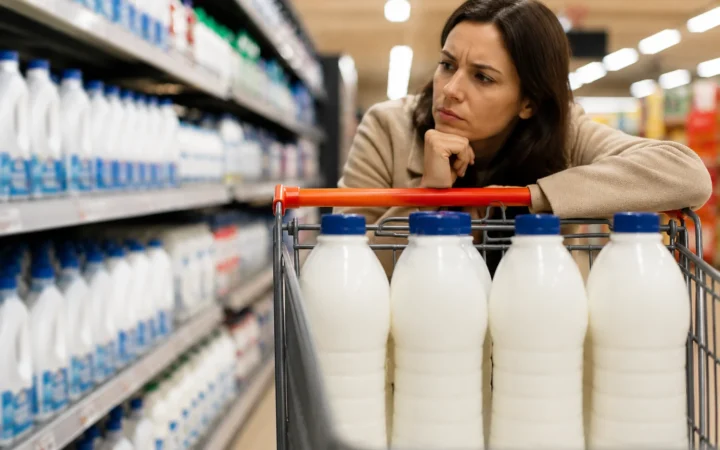
Two identical packages, same brand, same expiry date, same shelf. Yet only one of them is part of a food recall. How would you tell them apart after you've already brought them home? Not by the expiry date — by a much smaller number that most people never look at: the batch number.
It's the detail that separates clearing out an entire cupboard "just in case" from knowing with certainty whether what's actually in your kitchen is affected.
What a batch number actually is
A batch number is an alphanumeric code identifying a group of products made under the same conditions: same production line, same day (or shift), same incoming ingredients. In the EU, the requirement to include it on labels comes from Directive 2011/91/EU, specifically to ensure traceability — if something goes wrong, the batch lets authorities isolate only the affected portion of production, instead of pulling every product carrying that brand.
There's no single EU-wide format: each manufacturer designs its own coding, often folding in the factory, the date, and sometimes the shift. That's why the same type of product can carry very different-looking batch codes depending on who made it.
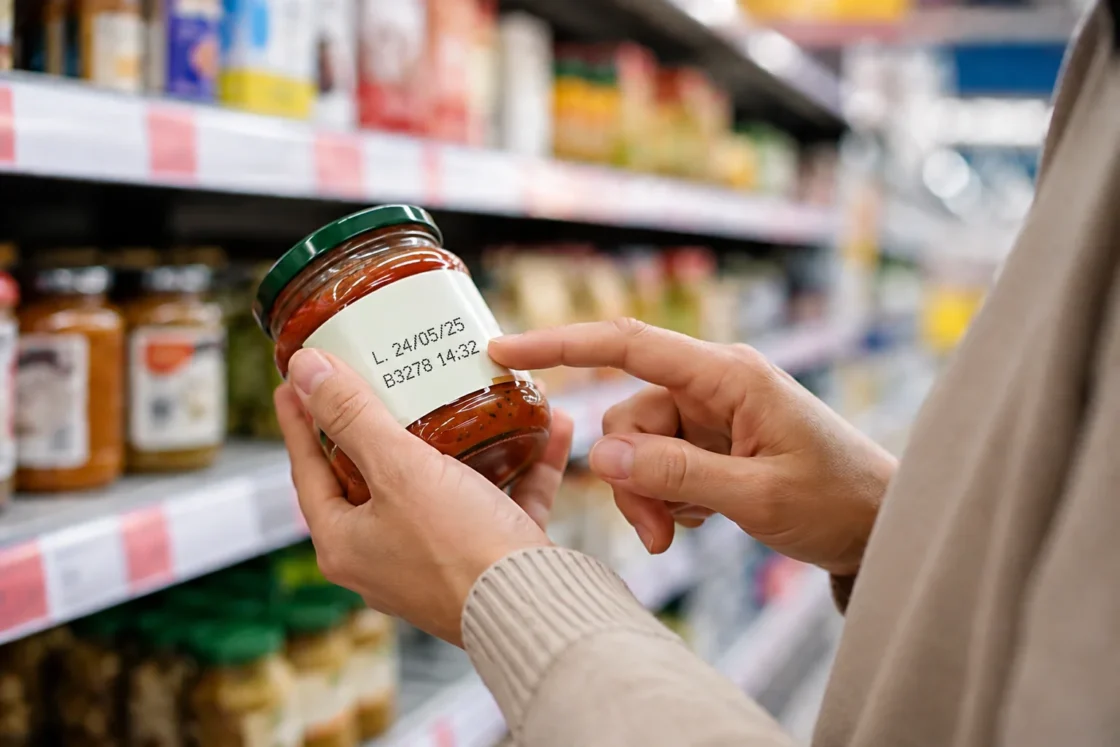
Where do you find it? Usually near the expiry date or best-before date, often preceded by "L" or "Lot", and typically ink-jet printed — which sometimes makes it harder to read than the rest of the packaging.
Batch number vs. expiry date: two different things
One app for your whole household
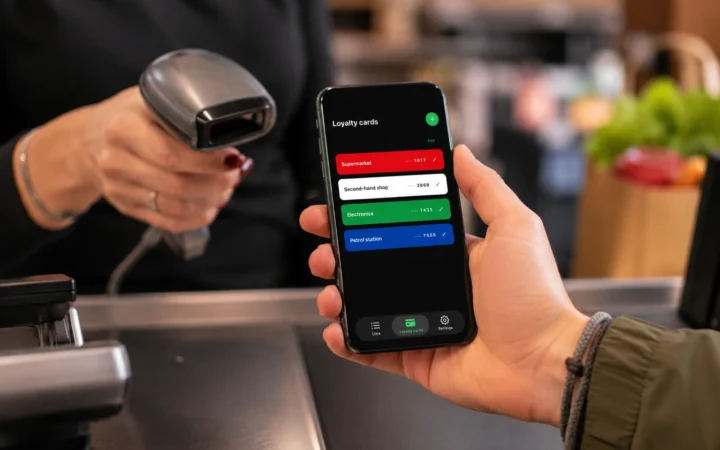
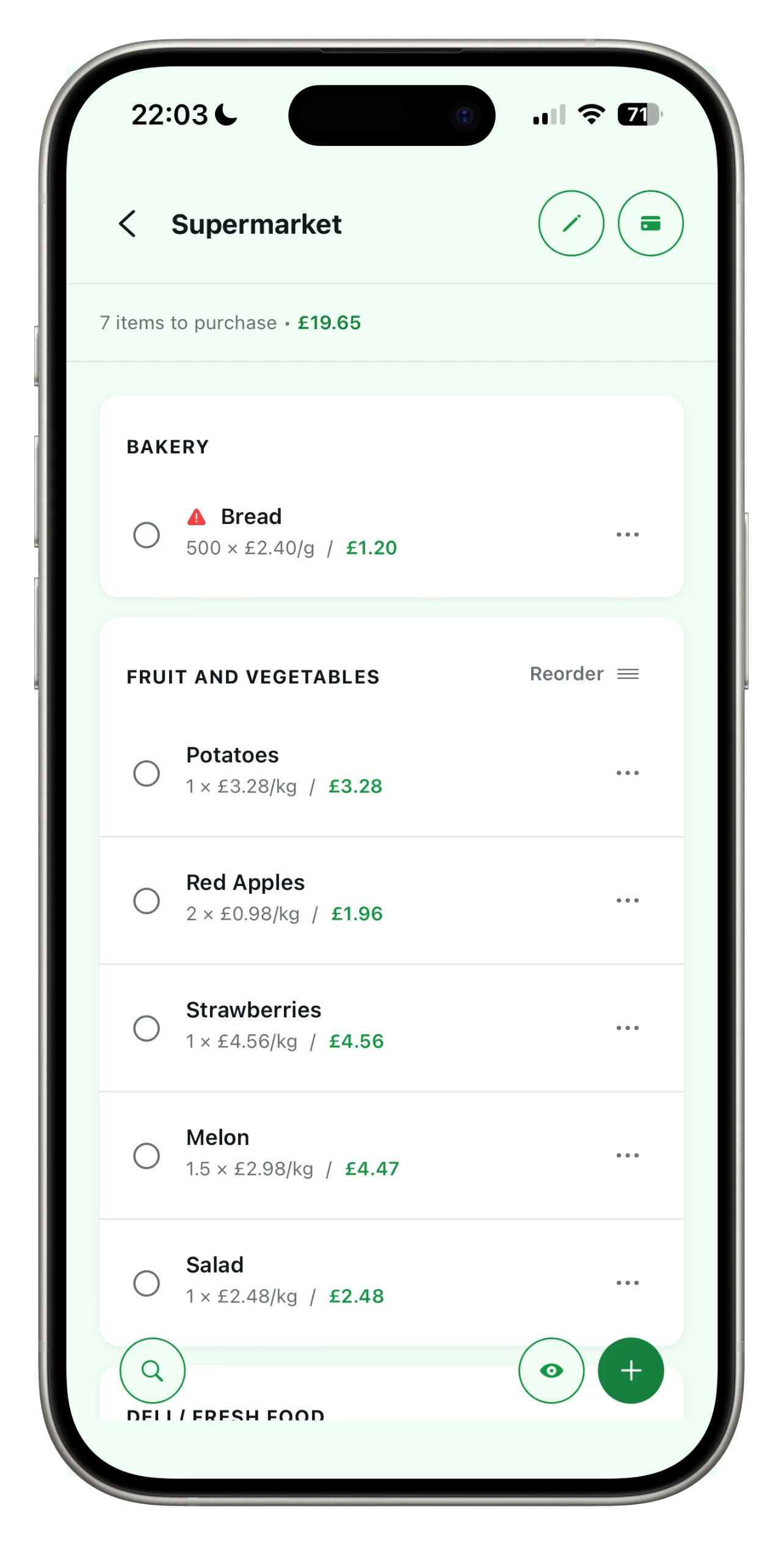
Shopping lists and loyalty cards on every device — free to start, Pro when you want to share in real time.
This is the most common mix-up: assuming that checking the date is enough. The expiry date tells you when a product stops being safe or at its best. The batch number tells you which specific production run it came from. Two products can share the same expiry date while belonging to entirely different batches — and in a recall, it's almost always the batch, not the date, that determines what's actually affected.
Why it matters so much during a recall
When food safety authorities issue a recall, the official notice almost always names one or more specific batch numbers — not just "product X" in general. That means, in the vast majority of cases, only part of the total production is actually involved. The batch system exists precisely to avoid disproportionate alarm and unnecessary waste, allowing a targeted response instead of a blanket one.
For consumers, that translates into a simple step that's often skipped: before tossing a product "to be safe," it's worth checking whether the exact batch you have at home actually matches the one named in the recall.
A good habit for smarter shopping
Checking the batch number takes a small effort that pays off. Knowing exactly what you bought — not just the product, but the specific pack — puts you in a position to respond precisely instead of panicking when recall news breaks.