Two cookies, two different brands, two very different prices — one nearly double the other. Different shelves, different packaging, different marketing. Yet if you check the batch number printed on both, in some cases you'll find something the label never quite says out loud: they came off the same production line, in the same factory, during the same shift.
The batch number isn't just the tool a health authority uses to isolate a problem during a recall. For anyone who knows how to read it, it's also one of the few genuine windows into how the food supply chain actually works.
A code built for safety — that ended up revealing more
The requirement to include a batch number (Directive 2011/91/EU) exists for traceability, plain and simple: if something goes wrong, trace it quickly to the exact portion of production involved. It was never designed as a transparency tool for consumers. And yet, indirectly, it's become one.
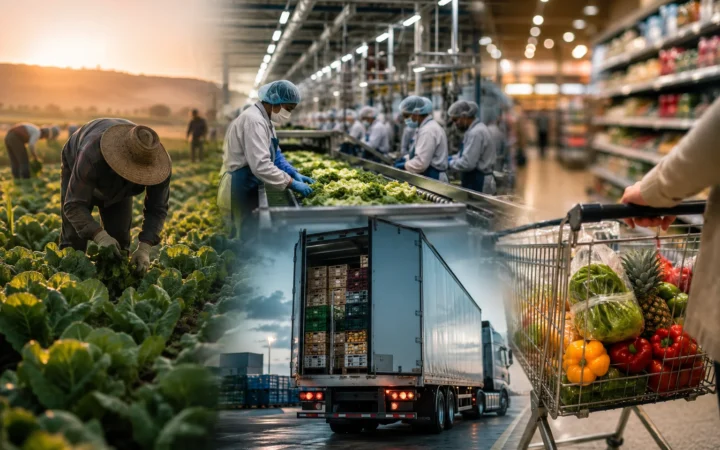
As we covered in the first article of this series, many products that appear to compete with each other on the shelf — different brands, different price points — actually come from the very same contract manufacturer, under co-packing arrangements. When a batch code includes a readable reference to the manufacturing site, as it often does, it can be the first concrete clue to that reality.
This isn't the norm, though, and it isn't required practice: not every co-packer works this way. Some keep the same physical batch across different labels when the bottled or packaged product is identical; others assign a distinct batch per customer or format, even for the same underlying product, specifically to keep traceability separated customer by customer. It comes down to each facility's own traceability system, not a fixed rule.
What a batch number can — and can't — tell you
It's worth being precise here: there's no single EU standard forcing a uniform format. Every company decides how to build its own code, and not all of them include a readable plant reference. Some batch codes are purely internal, decipherable only by the company itself. Others follow more transparent conventions — date, shift, line, facility — that an attentive consumer, comparing products over time, can start to recognize.
One app for your whole household
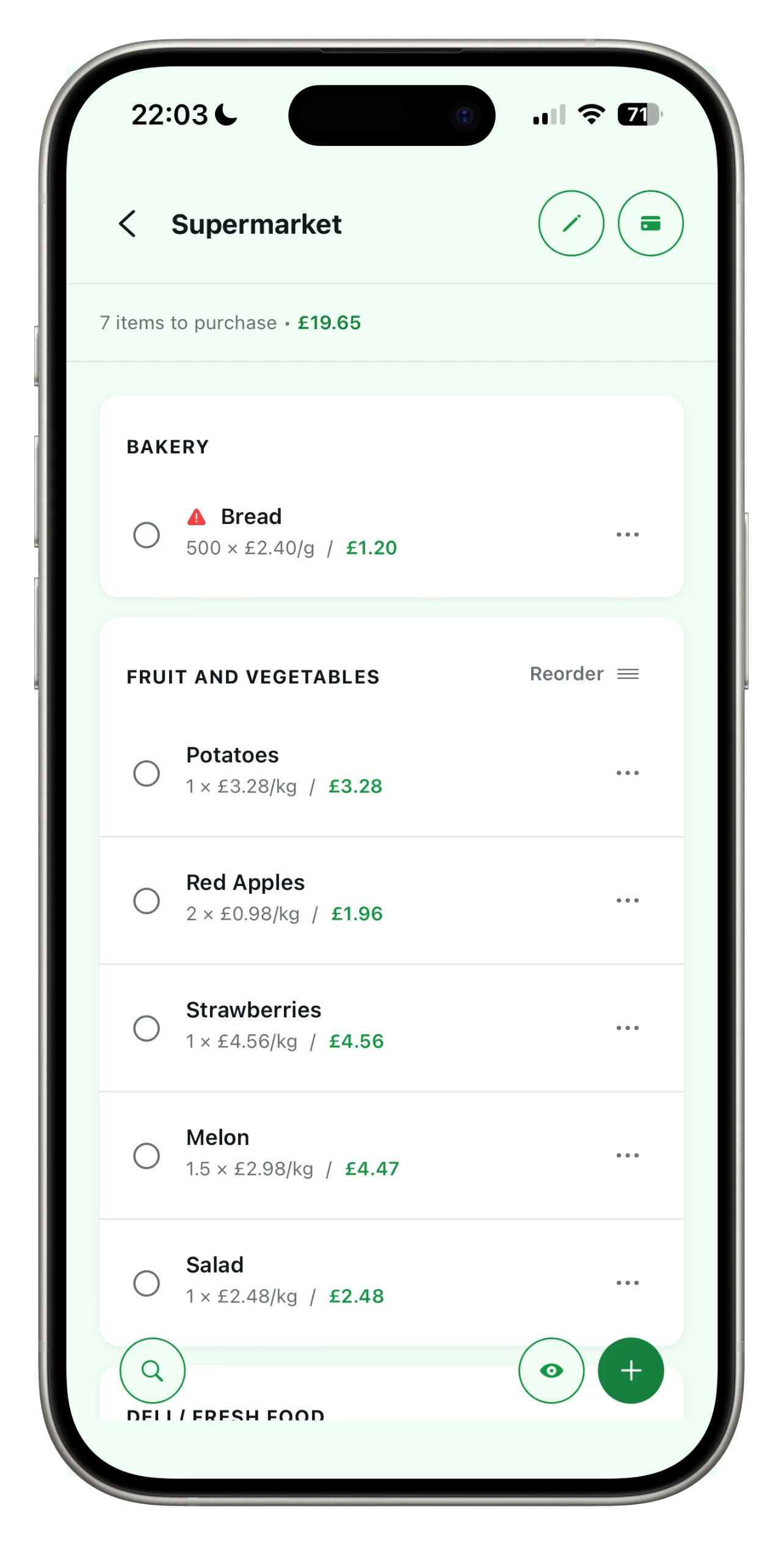
Shopping lists and loyalty cards on every device — free to start, Pro when you want to share in real time.
It's not a system meant to be "cracked" by the public, and it's worth resisting the urge to turn it into an imprecise guessing game. The point isn't to accuse anyone of anything — it's to recognize that behind most labels sits a supply chain that's far more shared and interconnected than individual brand marketing tends to suggest.
Why this should matter to you as a shopper
Knowing that two seemingly competing products share the same production line isn't just trivia — it changes how you weigh what you're actually paying for when you choose one brand over another. Sometimes a price difference genuinely reflects different ingredients or processes. Other times it mostly reflects marketing and positioning, on top of a product that rolled off the exact same line.
That kind of awareness is, in a way, at the heart of smarter grocery shopping: not distrusting everything, but making informed choices instead of ones driven purely by packaging or list price.
The role of a more attentive shopper
It's no coincidence that recalls and supply chains both circle back to the batch number. Keeping your shopping organized, knowing precisely what you buy and where it comes from, makes it easier both to respond correctly to a recall and, over time, to notice patterns that would otherwise go unnoticed between the shelves.
Next time you compare two similar products at very different prices, look past the front label. Sometimes the answer to "why is this one so much more expensive" is written in a short code almost nobody reads.