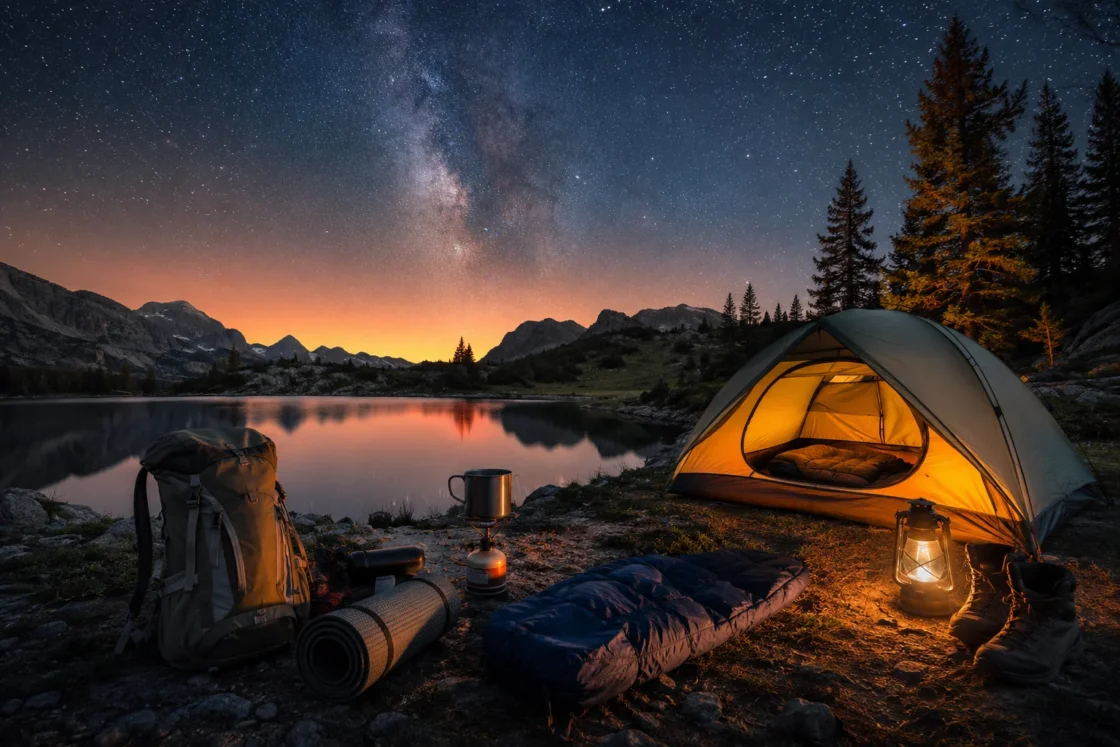
There's something primal and liberating about summer camping. Waking up to the sounds of nature around you, having breakfast in the open air, spending days without rigid schedules — it's a type of holiday that slows everything down and reminds you how little you actually need to feel good.
But that apparent simplicity requires preparation that's anything but simple. Forgetting something essential when camping isn't like forgetting it at a hotel — there's no reception desk downstairs, no supermarket five minutes away. That's why the shopping list before you leave is everything.
Whether you're planning a week at a fully equipped campsite or a wild camping weekend in the mountains, this guide brings together everything you need to buy to sleep under the stars without regrets.
Tent and sleeping: the heart of camping
The tent is the most important purchase — and the one where it's worth not cutting corners too much. A tent that leaks at the first sign of rain or takes forty-five minutes to pitch ruins the experience more than any other oversight.
For sleeping:
- Tent (consider the number of people plus one — the extra space makes a real difference)
- Summer sleeping bag (check the comfort temperature rating for the area you're visiting)
- Self-inflating sleeping mat or insulating pad (sleeping on the ground without insulation is exhausting)
- Compressible camping pillow
- Microfibre sheet or inner sleeping bag liner (for the warmest nights)
- Waterproof groundsheet to place under the tent (protects the base and insulates against moisture)
For the tent:
- Spare tent pegs (they get lost and bend)
- Extra guy ropes
- Tent repair kit — waterproof adhesive tape, patches
- Mallet or hammer for pegs on hard ground
Camp kitchen: eating well even under canvas
One of camping's hidden pleasures is cooking outdoors. With the right equipment you can eat surprisingly well — and food in the open air always tastes like something more.
Kitchen equipment:
- Camping gas stove (single burner for short trips, double burner for longer stays)
- Spare gas canisters (always twice as many as you think you'll need)
- Compact aluminium or titanium cookware set
- Small non-stick frying pan
- Ladle, spatula and spoon in silicone or wood
- Kitchen knife and foldable chopping board
- Bottle opener and corkscrew
- Long lighter or waterproof matches
- Sponge and biodegradable washing-up liquid
For the table:
- Unbreakable plates and bowls in plastic or melamine
- Reusable cups and mugs
- Reusable cutlery
- Paper napkins
- Insulated mug with lid for the morning coffee
For storing food:
- Cool bag or portable camping fridge
- Ice packs
- Airtight food containers
- Resealable bags
- Collapsible water dispenser
The camping shop: what food to buy
The food shopping for camping follows a different logic from everyday life — it needs to be practical to transport, easy to cook with minimal equipment and resilient without a fridge for at least a few hours.
Breakfast:
- Coffee (instant, compatible capsules or a camping moka pot)
- Tea and herbal teas
- Long-life milk
- Biscuits, crackers, cereals
- Jam and honey in single-serve portions
- Easy-to-eat fresh fruit
Lunch and dinner:
- Pasta, rice and grains
- Jarred sauces and condiments
- Tinned pulses
- Tinned tuna, mackerel and sardines
- Eggs (they keep well without a fridge for a few days)
- Vacuum-packed cold cuts
- Hard cheeses
- Bread, flatbreads or tortillas (last longer than fresh bread)
- Freeze-dried soups and stews (lightweight, convenient, surprisingly good)
Snacks:
- Mixed nuts and dried fruit
- Cereal or energy bars
- Dark chocolate
- Crackers and rice cakes
- Olives in a pot
For the fire and grill (where permitted):
- Marshmallows for toasting (a non-negotiable classic)
- Sausages for the grill
- Corn on the cob for roasting
- Aluminium foil for cooking potatoes in the embers
Lighting: when the dark sets in
Camping darkness is real darkness — not the softened dark of cities. Having the right lighting transforms the evening hours from uncomfortable to genuinely enjoyable.
What to buy:
- Rechargeable or battery-powered camping lantern (at least one large one)
- Head torch for hands-free use (essential for night-time trips to the facilities)
- Spare pocket torch
- Battery-powered LED fairy lights to hang inside the tent
- Outdoor candles or citronella torches for the evening around the table
- Spare batteries for all devices
Clothing: more layers than you think
One app for your whole household
Shopping lists and loyalty cards on every device — free to start, Pro when you want to share in real time.
Summer camping days can be hot, but nights — especially in the mountains — get much cooler than expected. Layering is the right strategy.
What to buy:
- Light, breathable T-shirts
- Lightweight long trousers (protect against insects in the evening)
- Shorts for warm days
- Mid-weight hoodie or fleece for cool evenings
- Compact waterproof and windproof jacket
- Sun hat
- Light beanie for cooler mountain nights
- Technical socks (your feet will thank you)
- Sturdy hiking boots or trainers
- Sandals or flip flops for relaxing around the campsite and using the facilities
- Swimwear if there's a lake, river or pool nearby
Hygiene and personal care: adapting to the context
Hygiene is simplified when camping, but it doesn't disappear. A few specific purchases make everything much more manageable — especially if the facilities are shared or some distance away.
For showering and washing:
- Microfibre towels (dry quickly, take up very little space)
- Waterproof towel bag
- Flip flops for shared showers
- Travel-size shampoo, conditioner and shower gel
- Solid shampoo or soap bar (more practical and less bulky)
- Toothpaste and toothbrush
- Deodorant
For daily hygiene:
- Biodegradable wet wipes (a lifesaver when there's no water nearby)
- Intimate wipes
- Spare toilet roll
- Biodegradable waste bags
- Hand sanitiser gel
Health and safety: the kit you hope not to use
When camping you're far from urban conveniences. A well-stocked first aid kit and a few extra precautions compared to everyday life are always worth the investment.
First aid kit:
- Assorted plasters
- Elastic bandage and sterile gauze
- Antiseptic spray
- Tweezers for removing splinters or ticks
- Soothing cream for insect bites
- Pain reliever and fever reducer
- Antihistamine for allergic reactions
- Probiotics and anti-diarrhoeal
- SPF 50+ sun cream and after-sun lotion
- Eye drops
For insect protection:
- Insect repellent spray (preferably natural-based)
- Tent mosquito net (not all tents include one)
- Citronella in spray, candle or coil form
- Skin-application repellent for evening walks
Technology and navigation: the right balance
Camping is also about disconnecting — but a little practical and safety technology never goes amiss.
What to buy:
- High-capacity power bank (plug sockets are rare)
- Portable solar panel for charging devices (for longer stays)
- Portable radio for weather forecasts
- Handheld GPS or paper map of the area (don't rely solely on your smartphone)
- Safety whistle for hikes and excursions
- Multi-connector charging cable
Comfort and small luxuries: because camping doesn't have to be spartan
Camping is about simplicity, but a few extra purchases transform an uncomfortable night into a genuinely pleasant one. These are details that weigh little in the rucksack but count for a lot in the experience.
What to buy:
- Lightweight folding camping chair
- Compact folding table
- Lightweight hammock with hanging straps
- Tent entrance mat (keeps the mud outside)
- Shoe bag to hang at the tent entrance
- Books or compact board games for the evenings
- Waterproof playing cards
- Thermos flask for keeping drinks hot or cold
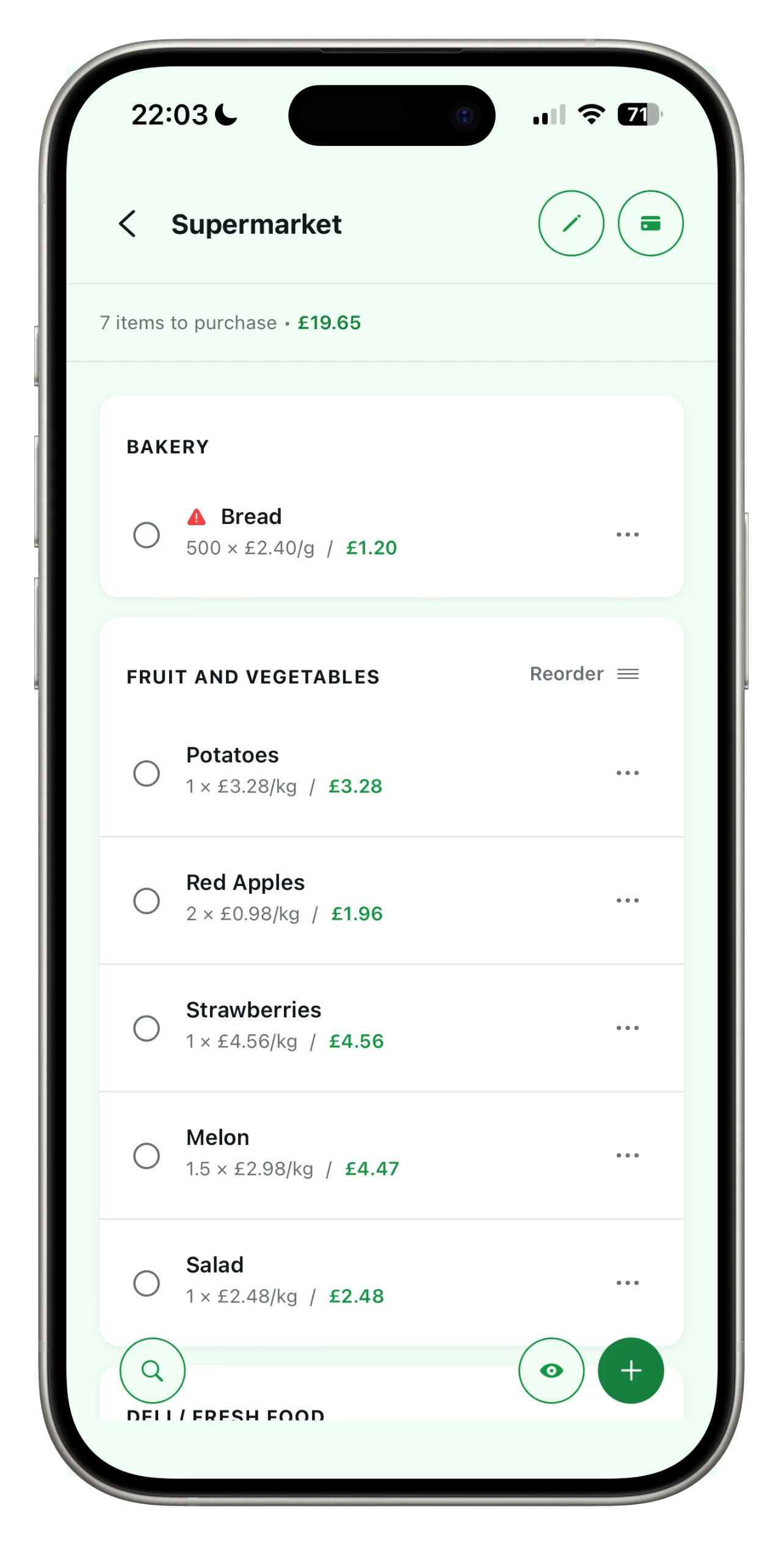
Organise everything with Spesary
The summer camping list cuts across many categories — equipment, kitchen, clothing, first aid, food. It's easy to lose track, especially when organising with other people.
With Spesary you can build the complete list by category, share it with whoever's coming camping with you, and tick off purchases as you go — from different shops, across the days before you leave. So when you pack your rucksack, you already know nothing is missing.
And you can focus on what really matters: finding the perfect spot to pitch the tent.